Family Implant & Reconstructive Dentistry logo emphasizing dental care and implant solutions.
(410) 939-5800
  • Home
  • About
    • Meet Our Doctors
    • Areas We Serve
    • Blog
  • Services
    • All Services
      • General Dentistry & Oral Hygiene
        • Oral Cancer Screening
        • Gum Disease
        • Fluoride Treatments
    • Cosmetic Dentistry
      • Tooth-Colored Fillings
      • Porcelain Veneers/Lumineers
      • Teeth Whitening
      • Dental Bonding
    • Restorative Dentistry
      • Dental Crowns
      • Dental Bridges
      • Cosmetic Dentures
    • Sedation Dentistry
      • Dental Sedation Candidacy
      • IV Sedation
        • What is IV Sedation?
        • Benefits of IV Sedation
        • IV Sedation vs Other Sedation
        • Frequently Asked Questions
    • Emergency Dental Care
  • Dental Implants
    • What Are Dental Implants?
    • Our Implant Solutions
      • Tooth Replacement Treatments Compared
      • Finding a Dental Implant Provider
    • Advantages of Dental Implants
    • Implant Process
    • Dental Implant Candidacy
    • Single Tooth Restorations
    • Implant-Supported Overdentures
    • Full-Arch Replacement Options
    • Immediate-Load Dental Implants
    • Tooth Loss & Your Health
    • Proven Benefits of a Healthy Smile
    • Dental Implant Care
      • What to Eat After Dental Implant Surgery
      • How to Protect Your Implants From Peri-Implantitis
    • Supplemental Treatments
      • Bone and Gum Grafting
        • Bone Grafting
  • New Patients
  • Payment Options
    • Cherry Financing
  • Testimonials
  • Contact

Dental Implant Solutions in Havre de Grace

Restore Any Number of Missing Teeth

Dental implants are the only permanent, natural-looking replacement for missing teeth. Whether you’re missing a single tooth, multiple teeth, or a full arch, Dr. Grubb will find an ideal solution for your smile.

Explore our guide to learn about your dental implant treatment options.

Single-Tooth Replacement
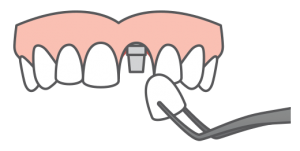
Illustration of dental implant placement between natural teeth, highlighting the implant fixture and the process of attaching a porcelain crown for tooth restoration.If you’re only missing one tooth, Dr. Grubb can place a single implant and top it with a stunning porcelain crown.

All of our crowns are customized to look natural and blend in seamlessly with your smile. They’re also highly durable to ensure maximum chewing strength and long-lasting results.

Multi-Tooth Replacement
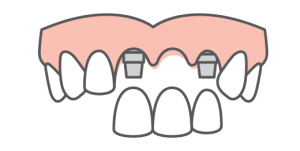
Illustration of dental implants placed in a dental arch, showcasing multiple tooth replacements for enhanced smile restoration and support.For patients who need to replace multiple teeth, single implants can be costly and inconvenient.

If your missing teeth are adjacent, Dr. Grubb will recommend securing a dental bridge with implants. Implant-supported bridges can replace several teeth without relying on your surrounding teeth for support.

Alternatively, Dr. Grubb can customize a partial denture and anchor it to your jaw with multiple implants. This is a better option if you have missing teeth spaced throughout your smile.

Full-Arch Replacement
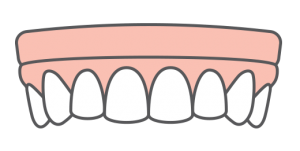
Illustration of a dental arch with multiple teeth and a pink base, representing implant-supported dentures for full-arch replacement in dental implant solutions.Many patients who are missing a full arch of teeth assume that traditional dentures are their only option. But thanks to advancements in dental technology, Dr. Grubb can secure a full denture with four to six implants.

This allows you to save lots of time and money by avoiding the need to replace each tooth individually.

Once your dentures are stable, you can enjoy all the benefits of a beautiful, fully-functional smile.

Frequently Asked Questions

Why is an implant better than a bridge to replace a single tooth?
What are the benefits of dental implants compared to dentures?
Is the dental implants process painful?
Who is a candidate for dental implants?
Why is an implant better than a bridge to replace a single tooth?

A dental bridge is an artificial tooth that is held in place by dental crowns on the adjacent teeth. This process can usually be completed in two visits to Dr. Grubb’s office, and is initially less expensive than dental implants.

However, while a dental bridge may appear to be the more convenient and affordable single-tooth replacement option in the short term, the long-term benefits of dental implants make them a far superior option for most patients. Here are just a few of the many advantages of dental implants when compared to bridges:

  • Dental implants are permanent and can last a lifetime. Dental bridges need to be replaced every 7-10 years. Over time, the cost of replacing bridges can exceed the cost of dental implants.
  • Because implants are permanent, patients never need to worry about the inconvenience of having them replaced.
  • Dental implants are the only form of tooth restoration that actively prevents jaw bone loss.

What are the benefits of dental implants compared to dentures?

There are so many reasons you might prefer dental implants over dentures for your smile restoration needs! The top 7 advantages of dental implants compared to dentures are:

  1. Dental implants are permanent.
  2. Dental implants look and act like your natural teeth.
  3. Unlike dentures, dental implants can prevent jaw bone loss. Dentures can actually accelerate bone loss.
  4. Implants don’t need to be removed for cleaning.
  5. Implants don’t require messy adhesives.
  6. Dental implants will never slip out of place.
  7. Implant recipients don’t need to worry about the discomfort and embarrassment of ill-fitting dentures.

Is the dental implants process painful?

If the thought of oral surgery has you nervous and concerned about pain, you’re not alone. Dr. Grubb takes great care to make the dental implants process as comfortable as possible for our patients in the Havre de Grace area. We offer IV sedation, which allows patients to remain fully relaxed and pain-free for the duration of their treatment with us.

When you return home after your dental implant surgery, Dr. Grubb will give you detailed instructions on how to best alleviate any discomfort you may feel. With dental sedation, all of our treatments are pain-free. if you experience more discomfort than anticipated, please let us know so that we can make immediate adjustments to ensure your comfort.

Who is a candidate for dental implants?

Dental implants are a permanent and comfortable solution for our patients who are missing one or more teeth. To determine whether dental implants are right for you, Dr. Grubb will evaluate a number of factors. The ideal candidate for dental implants:

  • Has enough bone in the jaw to support an implant
  • Is in good overall health
  • Is free of gum disease

In many cases, Dr. Grubb can provide gum disease treatment or bone and gum grafting to ensure patients’ mouths are prepared for the dental implants procedure. If Dr. Grubb determines that implants aren’t the best solution for you, don’t worry—we’ll work together to find the most effective method to restore your smile.

Contact Us

  • Please prove you are human by selecting the Star.

Family Implant & Reconstructive Dentistry

203 S. Washington Street
Havre de Grace, MD 21078
(410) 939-5800

Get Directions

Credentials

Academy of General Dentistry logo representing professional dental care and accreditation for Family Implant & Reconstructive Dentistry.AAID logo representing the American Academy of Implant Dentistry, emphasizing expertise in dental implants and reconstructive dentistry, relevant to Dr. Grubb's practice.American Board of Oral Implantology logo featuring the acronym ABOI, symbolizing education, experience, and certification in oral implantology.Logo of the American Dental Society of Anesthesiology, featuring the acronym "ADSA" prominently in white against a black circular background.
  • Home
  • Meet Our Doctors
  • Services
  • Contact
  • Sitemap

Family Implant & Reconstructive Dentistry

203 S. Washington Street Havre de Grace, MD 21078
(410) 939-5800

Mon, Wed, Thurs: 8am – 4pm
Tue: 9am - 6pm
Fri: 8am - 3pm
Sat: 8am - 1pm Hygiene Appointments Only
Sun: Closed

Connect With Us

Facebook
Google+
Yelp
©2020 Family Implant & Reconstructive Dentistry

Understanding the Dental Implant Process

The dental implant process involves several key steps to ensure successful integration with the jawbone and optimal function. Initially, a thorough examination and consultation are conducted to assess the patient's oral health and determine the best course of action. This may include imaging studies to evaluate bone density and structure.

Once a treatment plan is established, the implant is surgically placed into the jawbone, where it will undergo a healing period known as osseointegration. During this time, the bone grows around the implant, securing it in place. After healing, a custom abutment and crown are placed, completing the restoration process.

Benefits of Dental Implants Over Traditional Solutions

Dental implants offer numerous advantages compared to traditional tooth replacement options like dentures and bridges. One significant benefit is their permanence; implants are designed to last a lifetime with proper care, making them a cost-effective solution in the long run. They also help preserve jawbone health by stimulating bone growth, which can be lost with missing teeth.

Moreover, dental implants provide a natural appearance and function, allowing patients to eat, speak, and smile confidently without the worry of slippage that can occur with dentures. Their stability leads to improved oral health, as they do not require alteration of adjacent teeth, unlike bridges.

Post-Operative Care for Dental Implants

After receiving dental implants, proper post-operative care is crucial for ensuring successful healing and longevity of the implants. Patients are advised to follow specific instructions provided by their dentist, which may include dietary modifications and oral hygiene practices. Avoiding hard or sticky foods during the initial healing phase can help prevent complications.

Regular follow-up appointments are essential to monitor the healing process and ensure that the implants are integrating well with the jawbone. Patients should also maintain a rigorous oral hygiene routine to prevent infections and other issues that could compromise the success of their implants.

Common Myths About Dental Implants

There are several myths surrounding dental implants that can lead to misconceptions about their effectiveness and suitability. One common myth is that the procedure is excessively painful; however, most patients report minimal discomfort during and after the procedure, especially with modern anesthesia and sedation options.

Another myth is that dental implants are only for older adults. In reality, dental implants can be an excellent option for anyone who is missing one or more teeth, provided they have sufficient bone density and are in good overall health. Young adults and even teenagers can benefit from implants, especially if they have lost teeth due to injury or other factors.

Understanding the Dental Implant Process

The dental implant process involves several key steps to ensure successful integration with the jawbone and optimal function. Initially, a thorough examination and consultation are conducted to assess the patient's oral health and determine the best course of action. This may include imaging studies to evaluate bone density and structure.

Once a treatment plan is established, the implant is surgically placed into the jawbone, where it will undergo a healing period known as osseointegration. During this time, the bone grows around the implant, securing it in place. After healing, a custom abutment and crown are placed, completing the restoration process.

Benefits of Dental Implants Over Traditional Solutions

Dental implants offer numerous advantages compared to traditional tooth replacement options like dentures and bridges. One significant benefit is their permanence; implants are designed to last a lifetime with proper care, making them a cost-effective solution in the long run. They also help preserve jawbone health by stimulating bone growth, which can be lost with missing teeth.

Moreover, dental implants provide a natural appearance and function, allowing patients to eat, speak, and smile confidently without the worry of slippage that can occur with dentures. Their stability leads to improved oral health, as they do not require alteration of adjacent teeth, unlike bridges.

Post-Operative Care for Dental Implants

After receiving dental implants, proper post-operative care is crucial for ensuring successful healing and longevity of the implants. Patients are advised to follow specific instructions provided by their dentist, which may include dietary modifications and oral hygiene practices. Avoiding hard or sticky foods during the initial healing phase can help prevent complications.

Regular follow-up appointments are essential to monitor the healing process and ensure that the implants are integrating well with the jawbone. Patients should also maintain a rigorous oral hygiene routine to prevent infections and other issues that could compromise the success of their implants.

Common Myths About Dental Implants

There are several myths surrounding dental implants that can lead to misconceptions about their effectiveness and suitability. One common myth is that the procedure is excessively painful; however, most patients report minimal discomfort during and after the procedure, especially with modern anesthesia and sedation options.

Another myth is that dental implants are only for older adults. In reality, dental implants can be an excellent option for anyone who is missing one or more teeth, provided they have sufficient bone density and are in good overall health. Young adults and even teenagers can benefit from implants, especially if they have lost teeth due to injury or other factors.