Why “Maryland Dental Implant Specialist” Is Harder to Search Than It Sounds Search “Maryland dental implant specialist,” and you’ll get a mix of oral surgeons, periodontists, prosthodontists, and general dentists who offer implants as one service among many, all describing themselves as experts. The credentials behind the name tell you much more. At Family Implant…
(410) 939-5800
Toothache: Do You Need a Dentist or the ER?
Knowing Where to Go With a Toothache Shouldn’t Be Guesswork A toothache has a way of starting at the worst moment: late Friday afternoon, on a Sunday, or the night before a trip. You search “toothache, dentist or ER,” and the answers range from “go to the ER right now” to “just take some ibuprofen…
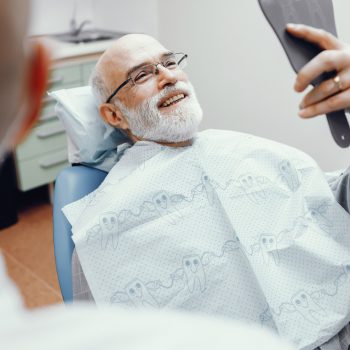
How to Choose the Best Dentist in Havre de Grace, MD
Choosing a Dentist You Can Trust for the Long Haul Isn’t a Coin Flip Type “best dentist in Havre de Grace” into Google and you’ll get a wall of maps, ads, star ratings, and directory pages that list every office in the area. Nearly all of them promise friendly, gentle care, and it’s hard to…

How Does Stress Impact the Health of Your Smile?
Do you feel overstressed? How does it affect your life? From demanding jobs to family obligations that pull us in many directions at once, there is no shortage to the sources of stress in our lives. There is evidence that it affects our health in a myriad of ways, but how does this stress impact…

Is Vaping Better than Tobacco for Your Oral Health?
Every dentist will tell you that tobacco is one of the absolute worst things for your oral health, but what about vaping? If you’re not familiar with vaping, it’s the new trend where people inhale vapors that give off nicotine via an electronic cigarette. With over 20 million people into the vaping trend, you’ve probably…

Dental Staining – What Causes It and What Can Be Done?
Did you know that cosmetic teeth whitening has become a 3.2 Billion dollar business in America? That stat shows that Americans care about the appearance of their teeth and want them to be as white as possible. But what causes dental staining? Why would regularly drinking coffee or wine have such a permanent effect on…

4 Popular Habits to Avoid for a Healthy Smile
How many of your regular habits have an adverse effect on your smile? Recent studies show that over 31% of Americans ages 20-44 have untreated cavities, and there’s a good chance that some of these popular habits are to blame. From seemingly innocuous activities like visiting your local cafe to the more niche habit of…

See How WaterLase Can Vastly Improve Your Experience With WaterLase
Dental technology can make the difference between a slow, dreaded procedure, and a fast, comfortable one that’s over before you know it. With patient comfort as a top priority, Dr. Grubb is always exploring new ways to make your appointments easier and more effective. Discover how our new WaterLase technology expands our potential for gentle…

See How Polyphenols in Red Wine Help Your Teeth
Certain types of food and drink can yield powerful oral health benefits for those who consume them. Among these, red wine is one of the most controversial. While it’s an alcoholic beverage that’s known to stain your teeth, it also contains polyphenols which yield distinct benefits as well. Discover how polyphenols work and see how…
New Research Shows that Excellent Oral Health May Prevent Cancer
If you’re anything like the average American, then you’ve been brushing, flossing, and maintaining your teeth from the time you were a small child. While this habit continues to be important well into adulthood, more reasons are being discovered to explain why. Recent research shows a strong link between the bacteria that cause gum disease…
Credentials